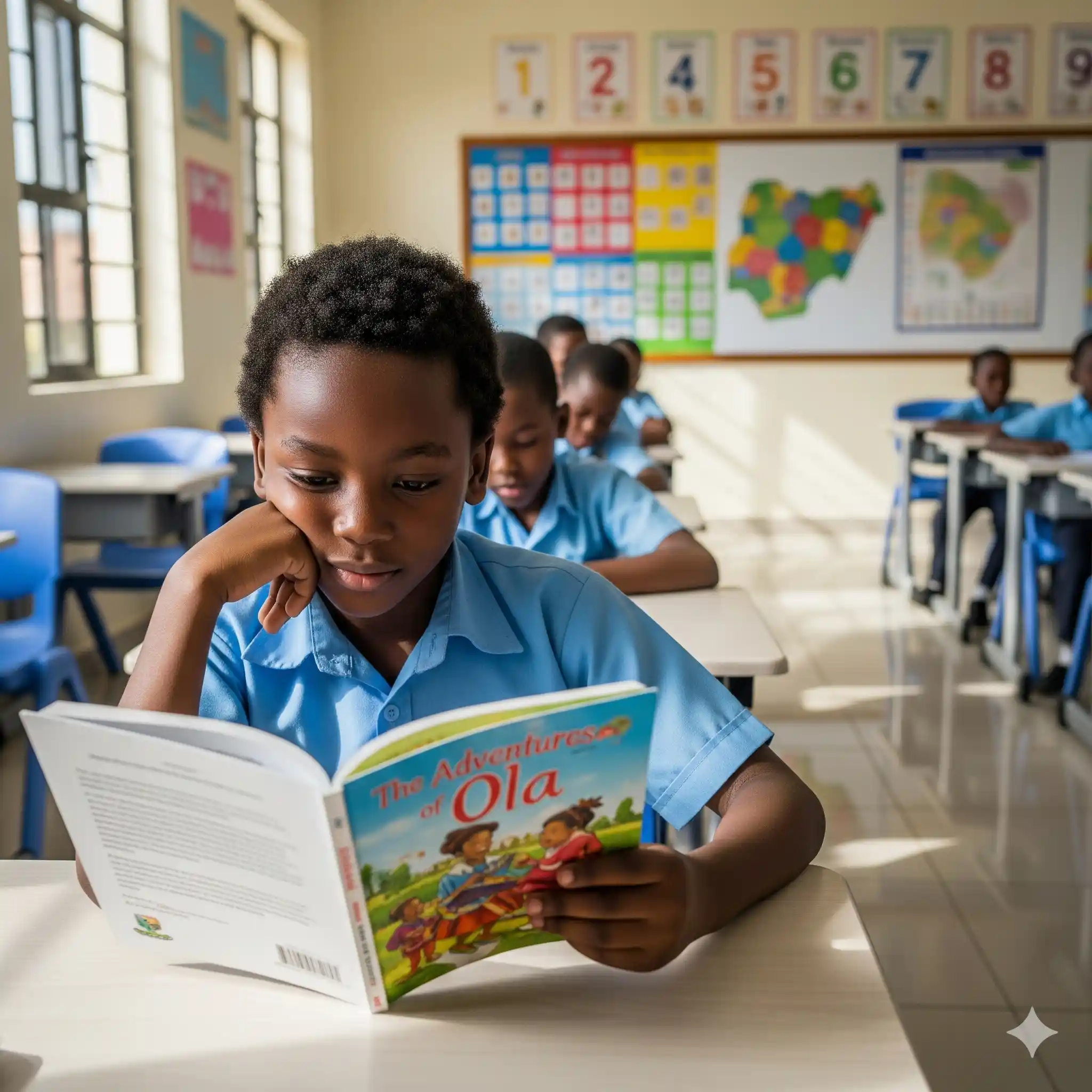
As the author of the SimPhonics Activity Books 1–5, my work has always been driven by a single conviction: literacy development in the 21st century requires flexibility, integration, and creativity. While the Montessori approach remains one of the most celebrated frameworks for early years education, relying solely on it for literacy instruction can limit the rich opportunities available for children—especially in a diverse, dynamic context like Nigeria.
The Rationale for an Eclectic Approach
An eclectic approach simply means drawing from multiple methods, strategies, and resources to suit learners’ needs rather than being bound to one philosophy. In literacy development, this often involves blending phonics, phonological awareness activities, whole-language practices, digital media, storytelling, and socio-cultural literacy practices.
From an Educational Theory Perspective
- Constructivist Theories (Piaget, Vygotsky): Children construct knowledge actively, through social interaction and scaffolding. Limiting them to only one literacy pathway denies them varied opportunities to build meaning in different contexts.
- Multiple Intelligences (Howard Gardner): Children learn differently—some through sound (auditory learners), others through sight (visual learners), movement (kinaesthetic learners), or even music. A one-size-fits-all approach like strict Montessori phonograms cannot fully cater to these diverse intelligences.
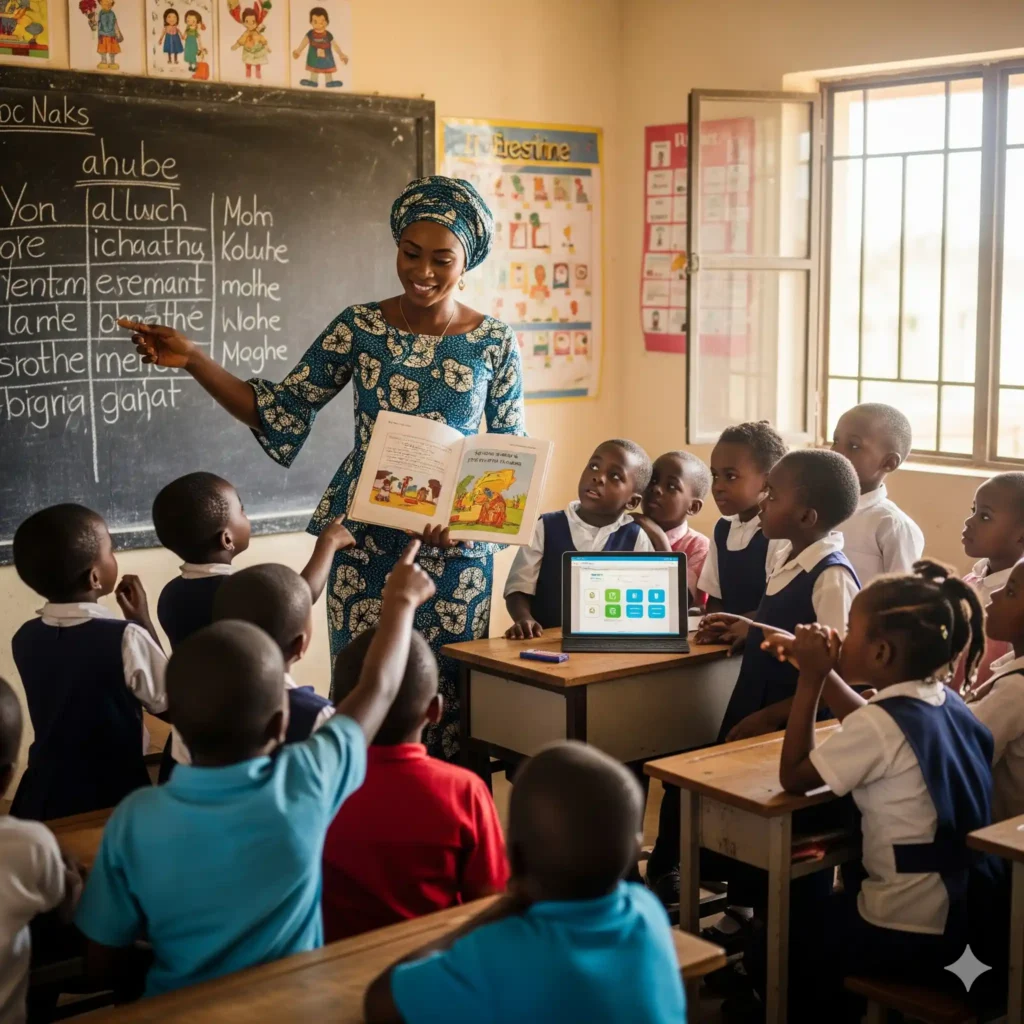
- 21st Century Skills Framework: Learners must not only decode text but also develop critical thinking, creativity, collaboration, and digital literacy. An eclectic approach makes it possible to weave phonics, storytelling, multimodal texts, and technology into literacy lessons.
Why Montessori Alone Is Limiting
Montessori classrooms are well known for structure, order, and self-directed learning. While these are strengths, applying Montessori as the only approach presents challenges:
- Rigid Literacy Pathways: Montessori heavily emphasises phonograms and tactile materials. Children who struggle with fine-motor development or need auditory reinforcement may lag behind.
- Neglect of Local Context: Nigerian children thrive in oral traditions, songs, folktales, and communal learning. A purely Montessori literacy programme risks ignoring these cultural assets.
- Limited Digital Integration: In an age of blended learning, sticking to wooden letters and sand trays without integrating multimedia resources leaves learners underprepared.
- Teacher Preparedness: Many Nigerian teachers are trained under mixed philosophies. Insisting on pure Montessori makes it harder for teachers to adapt to diverse classrooms.
Literacy in the 21st century is not about choosing one method over another, it’s about blending the best strategies to empower every child.